Wednesday, August 26, 2015

Agroforestry & Forestry Short Course 9/11 - 9/15

Learn forest ecology and management techniques for eastern woodlands from Farming the Woods co-author Steve Gabriel and renowned forester Mike Demunn along with guests for this five-day course.

The Finger Lakes Permaculture Institute (www.FingerLakesPermaculture.org) and Wellspring Forest Farm (www.WellspringForestFarm.com) are offering a Forestry and Agroforestry Short Course from Sept 11 - 15.
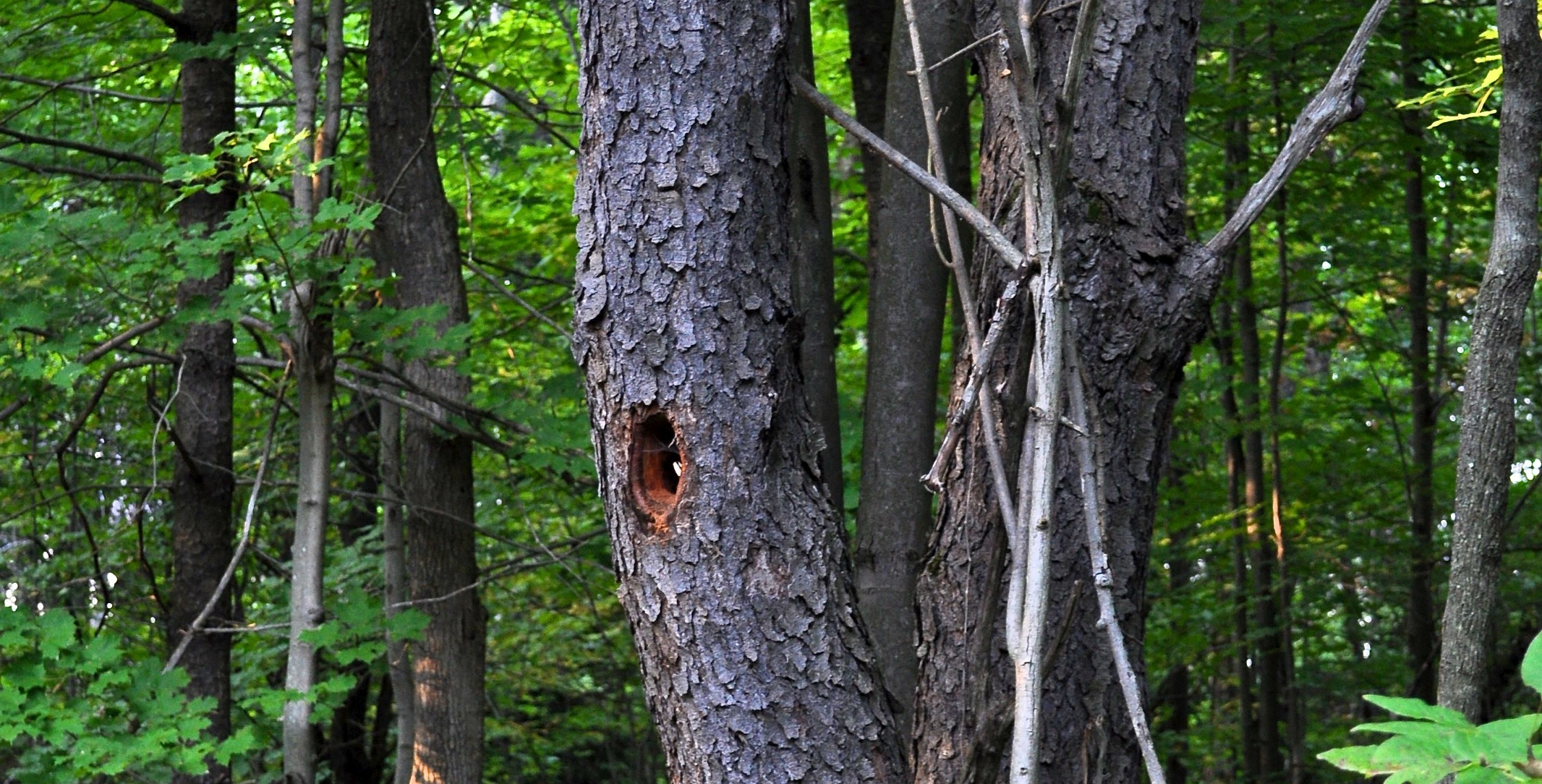

Begin each day at Wellspring Forest Farm (www.WellspringForestFarm.com) learning basic concepts in ecology and management and spend each afternoon traveling to many local sites with some of the most remarkable trees and forest ecosystems in the Finger Lakes Region of New York.

As we visit local old growth and heritage forests and farms we will practice tree ID, stand assessment, marking, and felling techniques. We will also visit Angus Glen Farm where Brett Chedzoy manages cows, sheep, and goats who graze amidst the trees (silvopasture) and inoculate and harvest woodland mushrooms at Wellspring Forest Farm.

The course will be co-taught by co-author of Farming the Woods, Steve Gabriel and renowned Finger Lakes forester Mike Demunn.

The experience is designed for woodland owners, famers, extension professionals, permaculture practitioners and homesteaders who seek a better understanding of the intricacies of management in northeastern woodlands. Come build your skills in forest mapping, stand assessment, tree selection, and low-impact tree removal.

 Video and Audio


 LISTEN to STEVE talking about Forestry and Farming the Woods on the Permaculture Voices Podcast:
 

WATCH STEVE talking about Farming Mushrooms and Permaculture:
INHABIT: "Farming the Woods" with Steve Gabriel from Costa on Vimeo.


 LISTEN to MIKE talking about Forest Ecology and Management:


About the Instructors
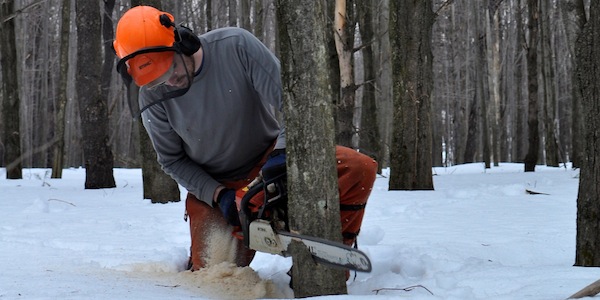

mushroomlogharvest600x300Steve Gabriel is an ecologist, educator, author, and forest farmer who has lived most of his life in the Finger Lakes region of New York. His work reconnects people of all ages to the natural world while offering strategies for sound management and restoration of productive landscapes. With over a decade of experience in environmental education, forest management, and farming, he co-founded the Finger Lakes Permaculture Institute and currently works for the Cornell Small Farms Program on agroforestry research and education. Along with wife Elizabeth, he operates Wellspring Forest Farm in Mecklenburg NY, where they produce shiitake mushrooms, duck eggs, and maple syrup. He has co-authored a book called “Farming the Woods” with Cornell University professor Ken Mudge.
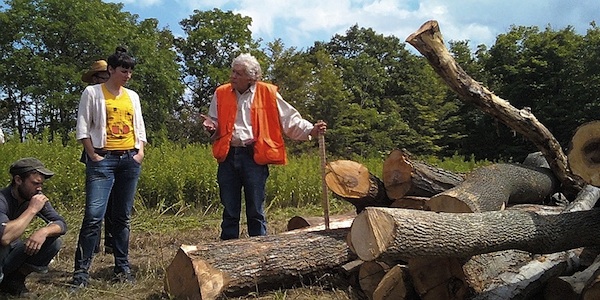


Michael DeMunn is a widely recognized forester and conservationist in the Finger Lakes region. He has been practicing ecological forestry for three decades and has worked for the U.S. Forest Service, National Park Service and the Soil and Water District, and for industry as head forester for a large lumber company. Michael is also a founding member of the Finger Lakes Land Trust and is their forestry adviser. He has been involved with establishing numerous nature preserves and has done forest improvement through timber management on thousands of acres and with countless landowners in the area. He was given the name Da’ Ha’ da’ nyah meaning “he protects the forest” by his Seneca Hawk Clan mother when she adopted him as her son.

Register for the course

The base tuition for the course is $450, which includes instruction, materials, and local, organic lunch for each day of the workshop. You can stay in a local hotel or B&B (look for accommodations in Watkins Glen, Trumansburg, or Ithaca) or camp onsite for $10/night ($50 for the course). Camping facilities at Wellspring Forest Farm include a simple camp kitchen, compost toilet, outdoor shower, and pond for swimming.


 To register, please email name, phone, and number attending to farmers@wellspringforestfarm.com

Wednesday, August 19, 2015

Finger Lakes Site Tour Aug 21 & 22!

We are excited to be a part of the 2nd Annual Finger Lakes Permaculture Tours on August 22!

Our farm will be open to visitors from 1 - 4pm. Here is the full run-down of events:

Movie: Friday, August 21st

6:00 p.m.
Viewing of the film “INHABIT” followed by discussion with filmmaker Costa Boutsikaris (our farm is featured in the film!)

Inhabit is a feature length documentary introducing permaculture. The film presents a vast array of projects, concepts, and people, and translates the diversity of permaculture into something that can be understood by an equally diverse audience. It is a call to action and a glimpse into what’s possible and what kind of projects and solutions are already underway. See the trailer at inhabitfilm.com

Location:
Schuyler County Cooperative Extension
323 Owego St., Montour Falls, NY 14865

Tour: Saturday, August 22nd 

                       
Wellspring Forest Farm (Mecklenburg, NY) wellspringforestfarm.com

10-acre permaculture and agroforestry inspired farm and homestead producing shiitake, oyster, stropharia mushrooms, maple syrup, duck eggs, pastured lamb, and establishing elderberry & paw paw plantings. Off-grid solar, rainwater catchment, yurt, cob oven. Open 1 - 4pm.

 MORE INFO: http://fingerlakespermaculture.org/programs/2015-program-listing/finger-lakes-permaculture-tour/

Monday, May 11, 2015

5-day Intensive Teaches New Paradigms in Forestry & Agroforestry


The Finger Lakes Permaculture Institute is offering a Forestry and Agroforestry Short Course from July 24 – 28.

We will begin each day at Wellspring Forest Farm and spend afternoons traveling to many local sites with some of the most remarkable trees and forest ecosystems in the region. As we visit local old growth and heritage forests and farms we will practice tree ID, stand assessment, marking, and felling techniques. We will visit Angus Glen Farm where cows, sheep, and goats graze amidst the trees (silvopasture) and inoculate and harvest woodland mushrooms at Wellspring.

The course will be co-taught by co-author of Farming the Woods, Steve Gabriel and renowned Finger Lakes forester Mike Demunn. Read more about the course and sign up here: http://fingerlakespermaculture.org/programs/2015-program-listing/silvoculture-agroforestry-short-course/

         
  Around the world, traditional and modern cultures have long valued systems that either make productive use of existing forests or grow new ones with a mixture of beneficial tree crops, shrubs, and herbaceous plants. In other words, agroforestry, forest farming, and forest gardening are not new concepts, but in many senses the way people grew and gathered food and other materials for much of the time humans have spent on earth. In the eastern forests, for example, much of the assumption is that Native American tribes roamed the woods, mostly foraging from the bounty that primeval forests offered them. In actuality, while the native populations certainly wild crafted and hunted for some of their needs, there is ampleevidence that they also both cleared forest entirely, as well as cultivated amosaic of woodland areas, orchards, and forest gardens.
          
  As settlers arrived in North America in the 15th century and began to dominate the landscape, a new cultural context and attitude began to infiltrate the land, perpetuated largely by the notion that land could be owned, and that to own one must “improve” the landscape, defined by Europeans largely as clearing trees off of the land entirely. This approach, coupled with a general fear of the wild-forested landscape began a cycle of rapid forest decline and with it the viewpoint that the most valuable land was that which could be tilled or grazed. This further expanded as settlements grew and forests were harvested en masse for building new towns and as a key export to Europe, which had long ago deforested its landscape.
             When the larger patterns of forest use over the past several hundred years are examined, the state of American forest use can best be described as devastating. Comparing the US censuses of 1810 and 1880, it’s easy to see a dramatic shift in attitude. The earlier census talked of the almost burdensome nature of the forests, which were viewed as obstructing the ability to cultivate land in traditional fashion, with the plow. By 1880, the tone had changed significantly, as the author noted that forests in New York, Pennsylvania, Ohio, and Indiana were depleted beyond much marketable value. Another report from the same timeframe claimed “the states of Ohio and Indiana…so recently a part of the great East American forest, have even now a greater percentage of treeless area than Austria…which have been settled and cultivated for upward of one thousand years.”

      
      Another study, which looked specifically at land use in Tompkins County, NY from the years 1790 to 1980 using land survey records, aerial photographs, and field work noted that “Forest cover dropped from almost 100% in 1790 to 19% by 1900 then increased to 28% by 1938 and over 50% by 1980”. While the percentage of forest cover has indeed increased across much of the cool temperate US, due largely to the abandonment of farmland, this isn’t to say that a recovering forest has any degree of the same value and integrity of the ancient forests, most of which are long gone.  
            The perception that has pervaded each new generation since the arrival of European settlers is that forests appear resilient and can handle the type of harvesting that “takes the best and leaves the rest.” (high-grading) Little effort is made on the ground to define and create limits for what a sustainable harvest looks like. Make no mistake, this is a choice, not a necessity of management. Timber, firewood, and other forest products can be harvested sustainably, with benefits to the forest ecosystem. As one example, the Menominee tribe in Wisconsin has been harvesting their forests sustainably for hundreds of years. The tribe harvests, mills, and sells wood, and their forests actually increase in the board feet of wood in their forests; that is, the amount of wood that can is grown per acre.


 LISTEN to STEVE talking about Forestry and Farming the Woods on the Permaculture Voices Podcast:
 
          
       We need to greatly expand out relationship to the forest, and see the wide array of benefits from stewarding them. In addition to sustainably harvested timber and firewood, forests can be managed for an incredible array of foods, medicines, and functional products. Some of these include forest grown mushrooms, fruits like elderberry, paw paw, and aronia, nuts including hickory, walnut, acorn, and chestnut, and medicinal plants like ginseng, cohosh, bloodroot, and trillium.

      Species like black locust, alder, willow and many others can be used for a variety of construction and craft products. Animals can enjoy respite from the hot summer months and be managed in woodlands, too. The possibilities are endless, one just needs to see the forest for more than just the trees.

      The Forestry & Agroforestry Short Course has been years in the making. Participants will benefit from seeing a wide array of eastern forest types in the Finger Lakes and touring farms that are integrating forestry practices with cropping systems. Participants will walk away with new understanding and appreciation for the woods, as well as a plethora of practical skills and approaches they can immediate implement back home on their sites and projects.  

         
WATCH Brett Chedzoy of Angus Glen Farm and Steve Gabriel talk about Silvopasture:


Register for the course

The base tuition for the course is $450, which includes instruction, materials, and local, organic lunch for each day of the workshop. You can stay in a local hotel or B&B (look for accommodations in Watkins Glen, Trumansburg, or Ithaca) or camp onsite for $10/night ($50 for the course). Camping facilities at Wellspring Forest Farm include a simple camp kitchen, compost toilet, outdoor shower, and pond for swimming.

In addition to tuition and camping, if you are able please consider making a $50 donation to support reduced tuition for other students who may have less means to attend.  


 To register, please email name, phone, and number attending to steve@fingerlakespermaculture.org
 

Tuesday, April 14, 2015

Upcoming Class Teaches Water Harvesting Techniques (May 2 & 3) (VIDEO)

Come learn how at our Water as a Resource in the Landscape workshop that will be held on May 2 & 3. Steve & Elizabeth Gabriel of Wellspring Forest Farm will share what they have learned as we develop our farm and homestead so that others can better utilize water on their sites. The class will cover the basics of mapping and design, teach you how to use a-frames and laser levels to mark out beds, paths, swales, and ponds, and engage hands-on finishing a swale and riparian buffer on the farm. An excavator will also be on site and we will talk about appropriate use of this machine for long term benefit to the land. See the video below for a mini-tour of some of our current systems in place.

More information and registration through the Finger Lakes Permaculture Institute website: http://fingerlakespermaculture.org/programs/2015-program-listing/water-as-a-resource-in-the-landscape/

earthworks for water harvesting at the farm
Spring equals water flow in the northeastern US. Snow melt and increased rainfall bring a flush of life back into the landscape, and along with it gives immediate feedback as flows and catchments are tested to their limits. Pooling, flooding, and rapidly flowing waterways, along with saturated soils aka "mud season" make it seem like problems are inveitable. Farmers wait to plow their fields, builders anxiously anticipate the ground drying so new projects can start, and municipal managers worry about overflowing storm water drains and clogged culverts. 

Meanwhile, in the forest, water is being harvested. Trees are intelligently funneling rainwater to their leaves, trunks, and roots. The deep mulch laid down the previous fall reduces the impact of heavy rainfall and keeps the soil in place. Plants and animals come alive with the abundance of this life giving force. Vernal pools catch and hold water, providing breeding ground for amphibians. Water is slowly accepted into the landscape, a precious gift that is life for all of us.

As farmers and homesteaders, water is one of our first yields of the season. The first indications come as sap, sweet water that flows up from roots to the very tips of our maple trees as the woods first begin to thaw. At Wellspring Forest Farm, we eagerly drink the refreshing sap and feel rejuvenated and awakened. As temperatures continue to warm, we hang our gutters and hook up our rainwater system, which we use domestically as well as for our animals. We can learn a lot from these examples.

After a long winter, the prospect of an always full 1,000 gallon tank offers a feeling of wealth; no longer are we rationing water between our needs for cooking and showering, and for the animals. Water doesn't freeze anymore and so pipes, hoses, roofs and gutters can replace hauling buckets.

We've contoured our landscape to further catch water, which further increases our storage and also creates living habitats. Rainfall soaks into terraced planting beds, and runoff flows into our ponds. Swales take the excess and gently distribute it across dry ridges, feeding trees so we don't have to irrigate. Our ducks splash with joy and this feeling translates to smiles on our faces.

Check out this video tour of some of these systems:


Anyone with a farm or land base is able to make choices about how water moves and how it can feed productive systems. All it takes is some understanding of the patterns and process of flows, the use of simple design tools, and moderate changes to gutters, downspouts, and shapes in the landform.

As we hear stories of increased and prolonged drought out West, we feel lucky to be blessed with ample water here. And, we are reminded that water is precious, and should not be taken for granted in any part of the world. As we learn to catch and store water in natural ways, we celebrate its arrival every spring. Flooding and erosion challenges can become opportunities, if only we apply good thinking and design to our specific situations.

Monday, April 13, 2015

Maple Syrup Available Now!

Early Spring Iris reticulata
As the days get wonderfully warmer, spring bulbs emerge from beneath the soil, bird songs generously fill the air and the running of the sweet sap comes to a rest.

Making it through the last 6-8 weeks of winter can often feel like emotional drudgery here in Upstate New York, but when the sap starts flowing, syrup producers actually wish for temperature fluctuations that include below freezing. The freeze/warm cycles keeps the sap running.

Bucket on Sugar Maple
This year's sap season came very late - several weeks later than "normal" - and followed one of the coldest and snowiest February's on record. We didn't tap trees until the first weekend of March. Typically it takes us about 2 hours to tap and hang buckets on our 100 sugar maples. This year, because of the 2.5 feet of snow on the ground, it took us almost 5 hours. (And sore quadriceps reminded us of the labor for the next few days).

Boiling sap is a joy. It's an activity that provides us not only warmth from the boiler and sweetness of the sap, but also invites us to relax and enjoy the last few weeks of cold weather. Friends come gather by the steamy boiler and we often treat ourselves to a whiskey-sap cocktail - a drink only available at this time of year.

The sap season was short, but certainly hefty. Preceding a 10-day forecast above freezing, we removed taps last Sunday, April 5th, and completed our final boil of the year.

Though sap season is over, lucky for us (and you!) Maple Season is all-year round! The sweet golden goodness is all bottled up and now available for purchase. We had a large pre-order for somebody to give as wedding favors, so our remaining supplies are limited.

Order today by emailing Elizabeth@WellspringForestFarm.com. 
Medium Amber Syrup
 
Half-pints: $9
Pint: $12
Quart: $20
Gallon: $60

Note: Only Medium Amber grade available.

Sunday, February 22, 2015

2015 Mushroom CSA

Join our 2015 CSA share and receive a half  pound of fresh mushrooms each week from June - September. Mushrooms are a delicious and nutritious food (& medicine) that are grown on natural materials from sustainably managed forests and fields.


Some facts about mushrooms:

- They are known to reduce cholesterol, promote immune system health, and fight cancer cell growth

- The protein structure of mushrooms is very similar to animal proteins, making them a great source for vegetarians and vegans, who often lack this type of protein in their diets

- Mushrooms are one of the best sources of Vitamin D in the human diet. Drying mushrooms in the sun for 5+ hrs can increase their vitamin D content by 300%! Drying your own mushrooms is easy. (we'll tell you how)


This year we are expanding production to increase oyster production and additionally some of our other production is coming into maturity. As such, we will have two share options:

SHIITAKE ONLY
a half pound of fresh, log grown shiitake each week.

MUSHROOM MEDLEY
a half pound based in shiitake, but mixed with other mushrooms (stropharia, lions mane, oyster) when available.

Both shares are the same cost: $112 for the season ($8/week)
Double shares for one household (1 lb/week) are $200 (10% discount)

Also for 2015: add-on a share of one half dozen duck eggs each week for an additional $49.00


Shareholders also include a weekly recipe and update from the farm, discounts on workshops & other products we sell.

The share runs from the second week in June through the second week in September, for a total of 14 weeks.


Pick-up locations
Thursdays on the patio at the Westy Bar in Ithaca (alongside Plowbreak Farm CSA pick-up) from 5 - 7pm
Fridays at Sweetland Farm CSA pick-up in Trumansburg from 1 - 8pm

Businesses or neighborhoods who can get employees to sign up for a total of 4 lbs (8 - 1/2lb shares) get free delivery to their location!


Type of share:
Pick up Location
Other pick-up location:

About the Farm

Wellspring Forest Farm is run by Elizabeth & Steve Gabriel, who have designed their ten-acre landscape as a living ecosystem, drawing  on permaculture and agroforestry principles for inspiration. We grow a wide range of mushrooms, including shiitake, oyster, lions mane, and stropharia. We also produce maple syrup and raise pastured lamb and duck eggs. Learn more about us here.

Tuesday, February 3, 2015

2015 Events at the Farm.

One of the most important aspect of our farm mission is education. Learning is a two-way street; we seek out neighbors, teachers, and mentors who've been generous with their time and experience over the years. It's been key to getting us to where we are.

And, we love sharing what we've learned - as well as the farm - with people who want to learn more about sustainable agriculture, agroforestry, and permaculture. So consider joining us for one or more of the events we've got brewing:


Water as a Resource in the Landscape - May 2

Active Soil Building for Home and Farm - June 27

Silviculture & Agroforestry Short Course
 - July 24 - 28

Kid's Camp with EarthArts - week of August 17 (details soon!)

You can read more about these and how to register by visiting our events page.


Steve is also offering several workshops and events through his recently published book, Farming the Woods, and mushroom cultivation workshops through the Cornell Small Farms Program.